A colorable reading log is such a staple in any reading journal, and looking at a beautifully colored one is so aesthetically pleasing that I was filled with excitement at the idea of having my own. Only... it didn't quite go as planned.
I designed beautiful ones in the Tynga Publishing journals, but when it came time to decide which system I wanted to use, I crumbled under the self-imposed pressure of choosing the perfect system, the perfect colors — I was scared to choose wrong, and ended up with decision paralysis for 18 months. Yup, you read that right.
My log was filled with about 125 book titles when I finally picked a system, and I want to share the journey with you — and hopefully, by the end of this post, you'll have a system (or three) to try.
What Is a Colorable Reading Log?
Reading logs can take many shapes, but the one thing they have in common is that they offer a visual representation of your reading journey. It's a dedicated space where readers color in an icon — often a book, but sometimes a square, a star, whatever you like — each time they finish a book. The graphic options are limitless; you decide how elaborate or simple you want your log to be.
A simple checklist or numbered log can absolutely keep track of your books. But let's be honest: is it as satisfying to look at? That's entirely up to you.
Here's the real premise of this whole post, though: coloring in your log brings forward an additional layer of information at a glance, and you get to decide what that information is.
Color Systems — You Choose What Works for You
This is where you decide which information you want to see at a glance. A few questions to help you think it through: What do you want to notice immediately when you flip through? What categories matter to your reading life? How many colors are you actually willing to maintain?
I've put together a list of options below — and of course, there are many more — to help you think through your own system.
1. By Genre / Subgenre
This one answers "What have I actually been reading?" at a glance, and it's the one I personally ended up choosing. I think it's a great option for readers with varied tastes who like to see their genre balance over time. You get to visualize trends you might not have noticed — maybe you read more rom-coms in summer and more horror in fall, or maybe you'll discover your reading habits don't follow the seasonal stereotypes at all — and you might realize you read more of a certain genre than you thought.
Wondering how much you love what you read? This system might be just the thing for you.
Keep in mind it shows the distribution of your ratings, not whether they're objectively "good" — but that's kind of the point. You'll spot right away if you tend to rate low, or hand out five stars like candy (which is perfectly valid too). You could even track half-stars if you're feeling thorough.
3. By Format
You're the kind of reader who happily bounces between audiobooks, paperbacks, hardcovers, and ebooks? This one might appeal to you. It lets you discern at a glance whether hardcovers earned your favor, or if audiobooks are slowly becoming your favorite way of devouring a story.
4. By Source
If books find their way to you through a variety of sources — ARCs, Kindle Unlimited, purchases, library holds, gifts, borrowed copies — this system might speak to you. Depending on whether your goal is to read more from your physical shelf, tackle more ARCs 👀, or stay frugal and borrow more, your interpretation of this palette will vary.
5. By Mood / Emotional Impact
You're someone who feels deeply, and when you finish a book, all that matters is vibes? This one might be exactly what you need. It's not measuring what the book is — it's measuring what the book did to you. It's not formal, it's not something Cartesian people would go for, but if it fits you, that's all that matters. With categories like Comfort Read, Holy Plot-Twist, and Unputdownable, you'll end up with a beautiful mural of raw reactions.
6. Hybrid Approach
Here I'm looking at you, overachievers... You can layer two systems (or more?!) onto your log. Outline with one system and fill in with another (outline = genre, fill = rating, for example), or color the top half with one and the bottom half with another — sky's the limit. It's especially useful if you want two layers of information without building yourself a legend the size of a spreadsheet.
Choosing Your Categories & Palette (The Part That Nearly Broke Me)
Once you choose your system, you still need to pick your category list and palette. I'd personally aim for fewer than ten categories, and around eight is a comfortable sweet spot — you're the one who has to keep those colors straight every time you sit down with your journal.
Example palettes:
For genre: dark romance = deep red, fantasy = purple, contemporary = teal, thriller = black, etc.
For ratings: 5★ = gold, 4★ = green, 3★ = blue, 2★ = pink, 1★ = red
You can go with your favorite colors, different shades of a single color, a themed palette, all shades of grey — this reading log is your tool, and there are no reading-log police coming to check your choices.
Keeping Track
Whichever system, categories, and palette you choose, I strongly suggest creating a legend you can easily refer back to. As the French say, "La mémoire est une faculté qui oublie" — memory is a faculty that forgets — so keeping a record of your system is worth the two extra minutes. Most journals have room in the margins for this, but if not, it's easy to add a little card and tape it down along just the top edge, so you can lift it up and see underneath.
The Tools — What to Color With
Not all tools are created equal, and not all paper behaves the same way. Spend a little time thinking about this one — and read the bleed-through section below before you commit to anything.
The Bleed-Through Test
No matter which journal you choose, run a bleed-through test first. When journals are printed via print-on-demand — like mine are — paper can vary depending on the marketplace and printer, so the safest approach is always to test your pens and pencils on one of the blank end pages before committing. This is also why I wouldn't assume a tool that worked beautifully in one journal will behave the same way in another — always test the actual journal in your hands.
My System — What I Finally Chose (and Why)
At first, I was staring at the empty page, feeling the pressure to choose the perfect system. I was leaning toward genre, but I wasn't sure which categories to include, which colors to choose, which pens or pencils to use — and I just froze. So instead, I started writing the titles as I reviewed my books, and before I knew it, 18 months had passed and I still hadn't chosen a system.
Here's the thing, though: I hadn't failed at the reading log. I was already using it — I'd just been waiting for permission to make it pretty.
What finally pushed me to make the move? Believe it or not, this post. This feature is such a fun one, and I wanted to share it with you, so I decided to stop letting my quest for perfection stay in my way.
I finally decided to go with subgenres, because every book I read falls somewhere in the romance family. I ended up with Dark Romance, Romantasy, Dark Romantasy, Dark Rom-Com, Dark Dystopian Fantasy, Paranormal Romance, Urban Fantasy, (yes, I had another internal crisis about how to segment those subgenres, and a minor breakdown about where to file a few specific books... but that's a story for another day), Contemporary (cowboy romance lives in there too — I don't read enough of it to give it its own category), Sports and Monster.
My reading taste leans dark, but I'm actually a very girlie girl at heart, and I went with my favorite pastel colors for the palette — no relation whatsoever to the genres they represent, although I could have gone that route. I simply assigned my favorite color, aqua, to my most-read genre, Dark Romance, so it would be the prominent color on the page.
If you're unaware, I'm a neurospicy girlie who went through a coloring era, so I whipped out my Prismacolor colored pencils for this one. I've used highlighters and felt-tip pens in other parts of my journals (the series tracker and the bingo games, namely), so I know bleeding isn't an issue for me — I just wanted the softer vibe of colored pencils for this page specifically.
Here's what I ended up with:
What do you think of the result?
Permission to Just Pick a Color
I know, I know, it sounds silly coming from me after that confession, but I think I made a mountain out of a molehill, so here are some tips to help you avoid the same mistake:
Start with pencil if committing to a color feels scary — you can always go over it later.
Your system doesn't have to be perfect. It has to be yours.
Before you commit your system to the actual page, write it down on scrap paper and run a few imaginary books through it. Are there books you don't know what to do with? Better to find out now than 40 books deep.
Test your coloring tools on one of the blank pages at the end of your journal for bleed-through.
It's okay to change systems mid-journal — your reading life evolves, and your log is allowed to evolve with it.
A "messy" log is a used log. That's the whole point.
It's your turn to take pen to paper.
Have you had a reading log before? If so, how did you do it? If not, are you tempted to start one? Which system appeals to you most?
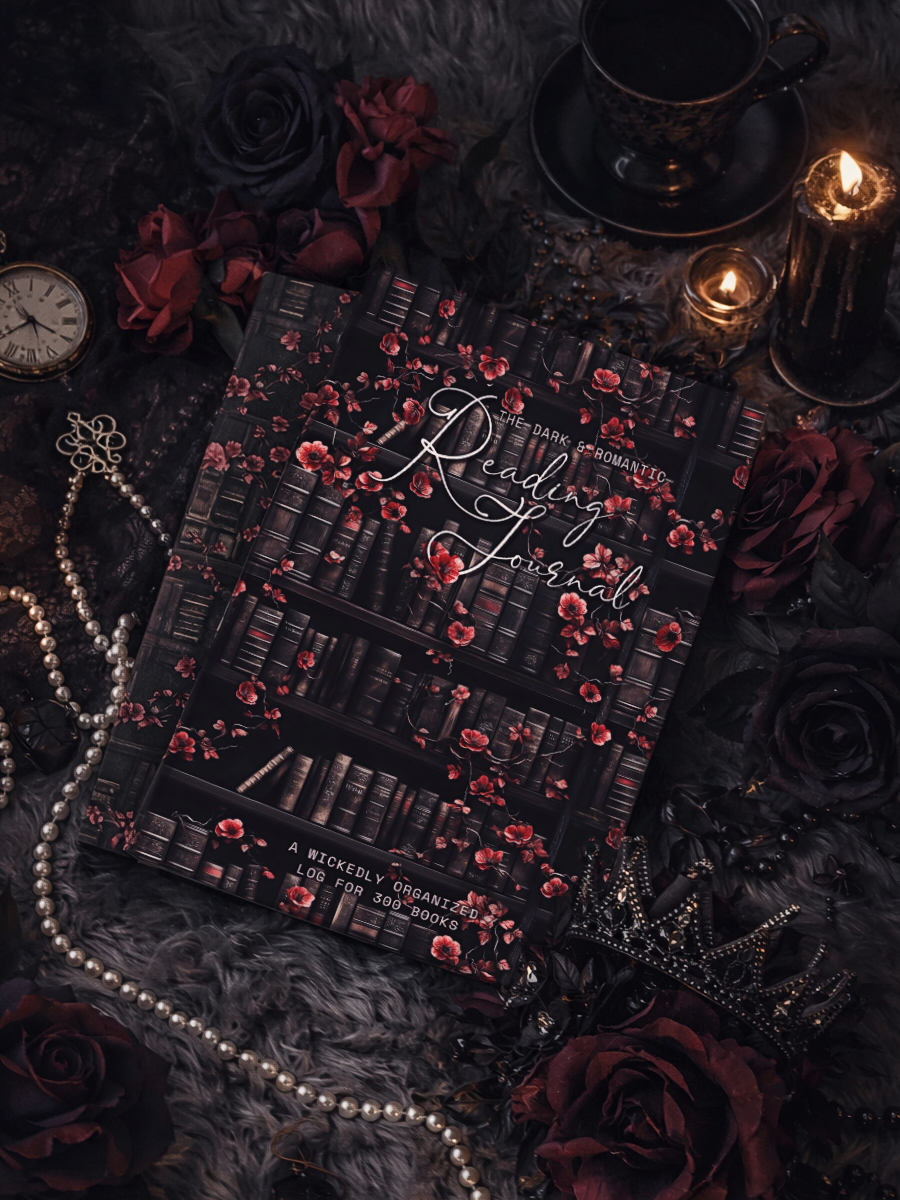
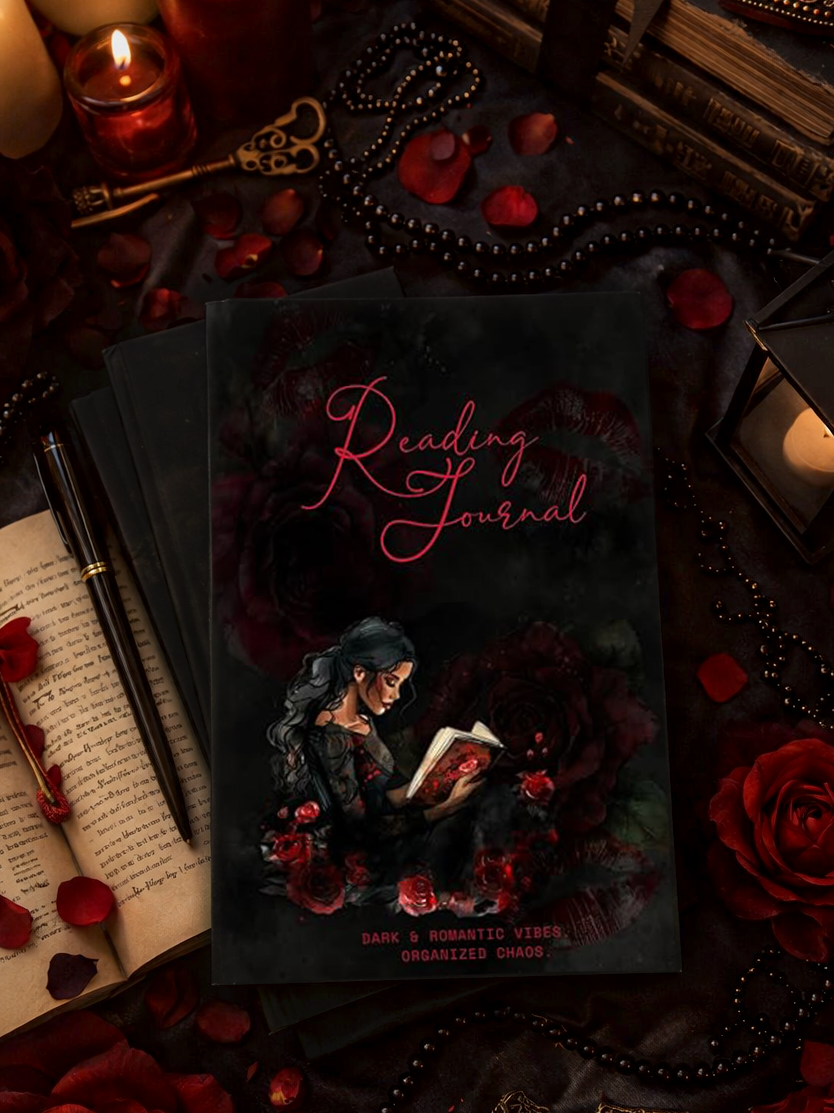
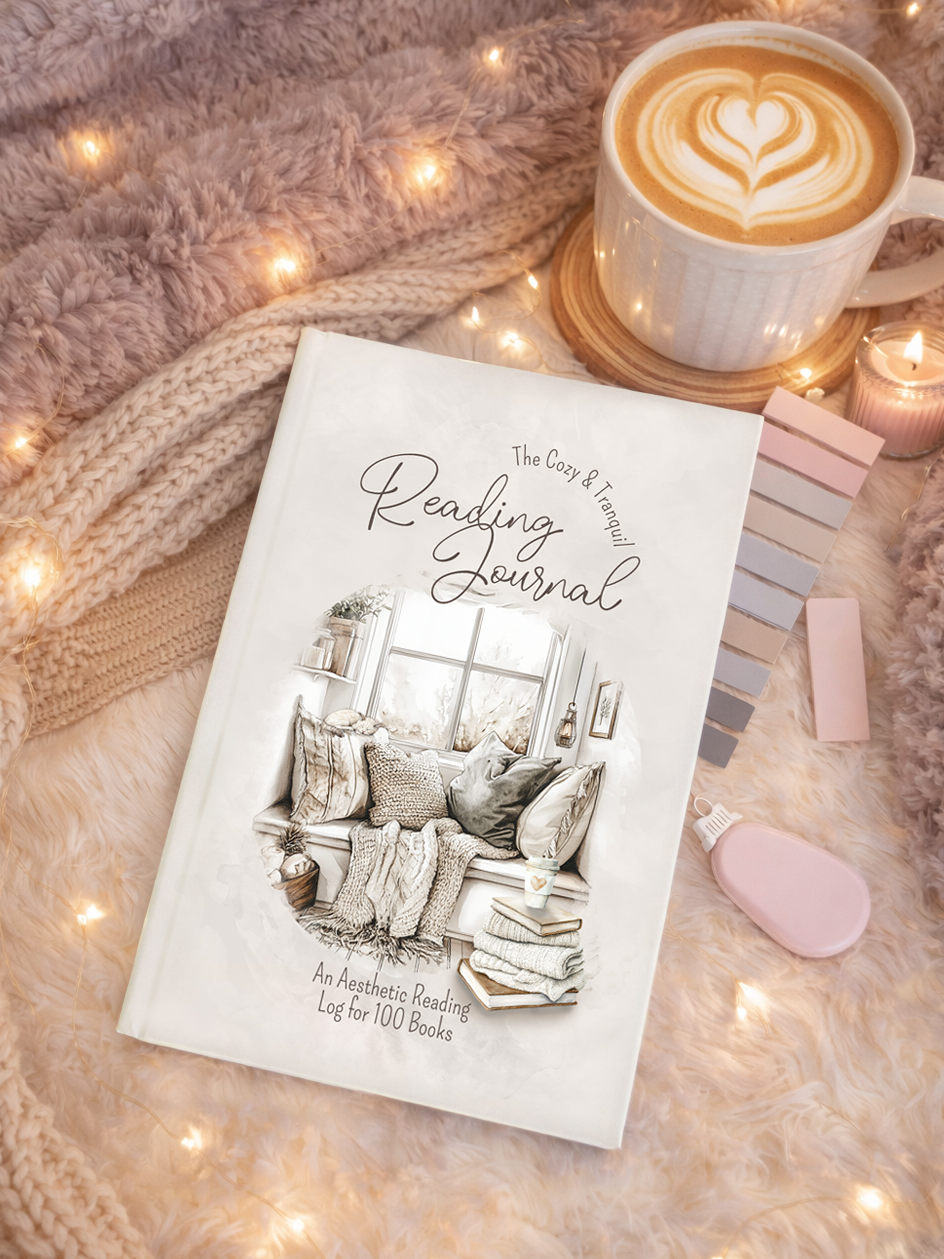
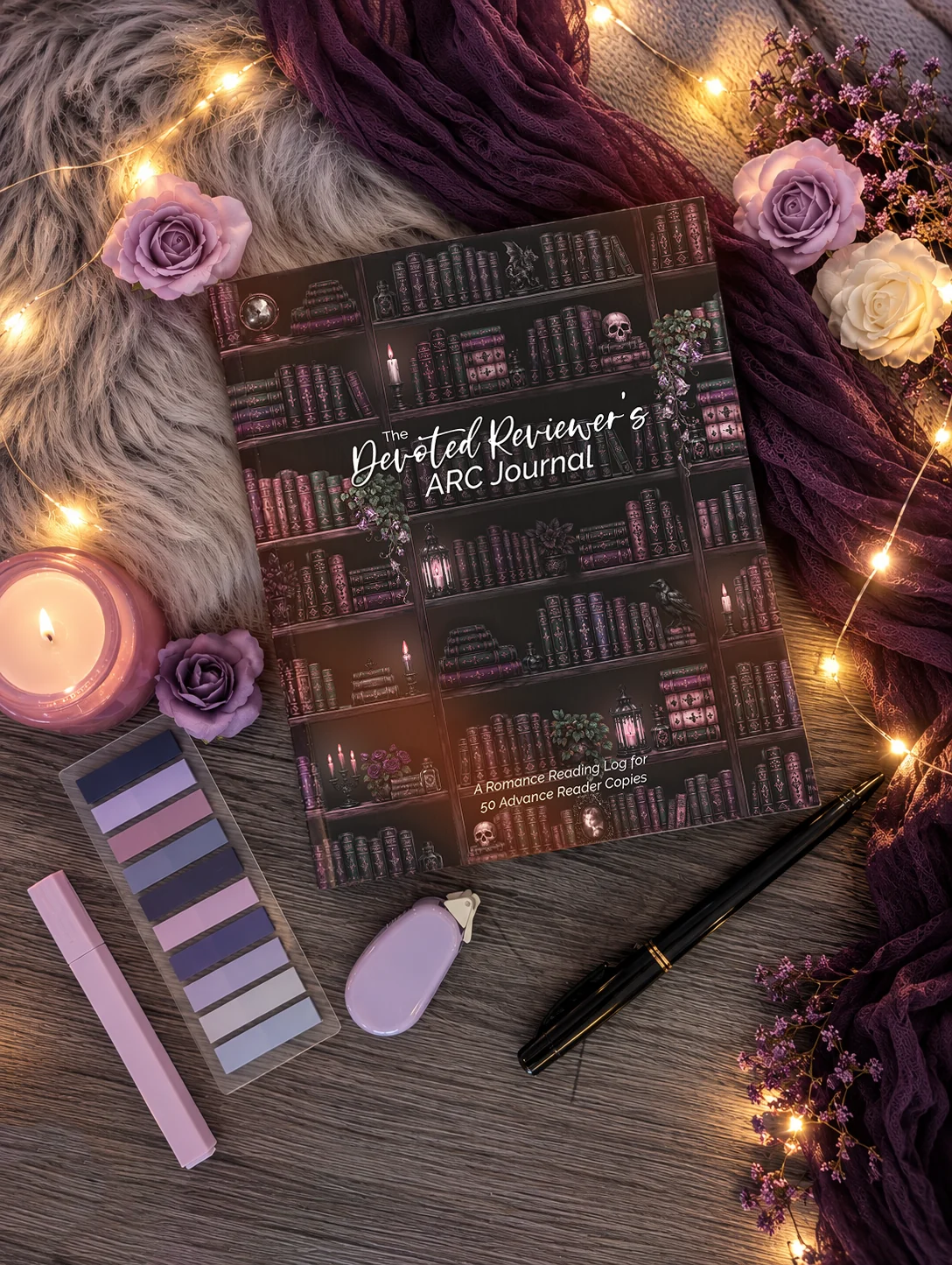
You can find more about the reading journal featured in this article here.



.jpg "Devoted Reviewer's Arc Journal review spread")