| Blind Date with a Werewolf by Patricia Briggs ★★★★☆ Read: August 29, 2026 271 pages |
If you've been living in the Alpha & Omega and Mercy Thompson universe for years and you've ever wondered what it would be like to sit inside Asil's head — this is your book. And honestly, it's a delight to be there.
The premise is simple and kind of perfect: someone in the pack sets the Moor up on five blind dates right before Christmas, frames it as a challenge, and bets on the outcome. Because of course a wolf who won't respond to sympathy, therapy, or centuries of gentle nudging will absolutely respond to a dare. It's a loving act of manipulation, and it works because the people behind it know him.
Each date is its own short story — three previously published in anthologies over the past decade, two brand new — and Briggs threads them together with enough connective tissue that it reads as one continuous narrative. I listened to the whole thing without realizing some of these stories were over ten years old. The seams don't show, which is genuinely impressive craft.
The adventures escalate from hilariously awkward to genuinely dangerous, and through all of it, Asil is exactly who you'd expect him to be: dry, controlled, self-aware, unexpectedly empathetic, and deeply tired in a way that has nothing to do with sleep.
What got me was how quietly the shift happens. He walks into the first date out of sheer competitive stubbornness. By the midpoint, he's looking forward to the next one. By the end, he's choosing something he stopped believing he'd ever have again. Briggs never makes a speech about it. She just lets you watch a man lean forward by inches until he's reaching for something instead of waiting to be done.
His inner monologue is the best part. He reads people the way old wolves do — patiently, precisely, without judgment. He's funny without trying to be, dangerous without performing it, and decent in a way that feels earned rather than written.
That said — this is a love letter to longtime readers, not a standalone. If you don't already know this world, you'll be missing half the weight. And while I enjoyed every date, there's no central plot pulling you through. It reads more like a very generous bonus story than a novel, and knowing that three of the five stories already existed makes the full-price hardcover packaging feel like a stretch. If I saw this on Book Outlet at a discount, I'd grab it for the collection in a heartbeat. But this isn't one I'd pay full price for at the bookstore.
Still — if you love Asil, if you've been waiting to see him get his moment, this is warm and fun and just a little bit heartbreaking in the best way. Worth the visit.
3.5 stars.
Tropes: grumpy loner · reluctant dating · found family meddling · urban fantasy · interconnected short stories · slow emotional thaw
The premise is simple and kind of perfect: someone in the pack sets the Moor up on five blind dates right before Christmas, frames it as a challenge, and bets on the outcome. Because of course a wolf who won't respond to sympathy, therapy, or centuries of gentle nudging will absolutely respond to a dare. It's a loving act of manipulation, and it works because the people behind it know him.
Each date is its own short story — three previously published in anthologies over the past decade, two brand new — and Briggs threads them together with enough connective tissue that it reads as one continuous narrative. I listened to the whole thing without realizing some of these stories were over ten years old. The seams don't show, which is genuinely impressive craft.
The adventures escalate from hilariously awkward to genuinely dangerous, and through all of it, Asil is exactly who you'd expect him to be: dry, controlled, self-aware, unexpectedly empathetic, and deeply tired in a way that has nothing to do with sleep.
What got me was how quietly the shift happens. He walks into the first date out of sheer competitive stubbornness. By the midpoint, he's looking forward to the next one. By the end, he's choosing something he stopped believing he'd ever have again. Briggs never makes a speech about it. She just lets you watch a man lean forward by inches until he's reaching for something instead of waiting to be done.
His inner monologue is the best part. He reads people the way old wolves do — patiently, precisely, without judgment. He's funny without trying to be, dangerous without performing it, and decent in a way that feels earned rather than written.
That said — this is a love letter to longtime readers, not a standalone. If you don't already know this world, you'll be missing half the weight. And while I enjoyed every date, there's no central plot pulling you through. It reads more like a very generous bonus story than a novel, and knowing that three of the five stories already existed makes the full-price hardcover packaging feel like a stretch. If I saw this on Book Outlet at a discount, I'd grab it for the collection in a heartbeat. But this isn't one I'd pay full price for at the bookstore.
Still — if you love Asil, if you've been waiting to see him get his moment, this is warm and fun and just a little bit heartbreaking in the best way. Worth the visit.
3.5 stars.
Tropes: grumpy loner · reluctant dating · found family meddling · urban fantasy · interconnected short stories · slow emotional thaw
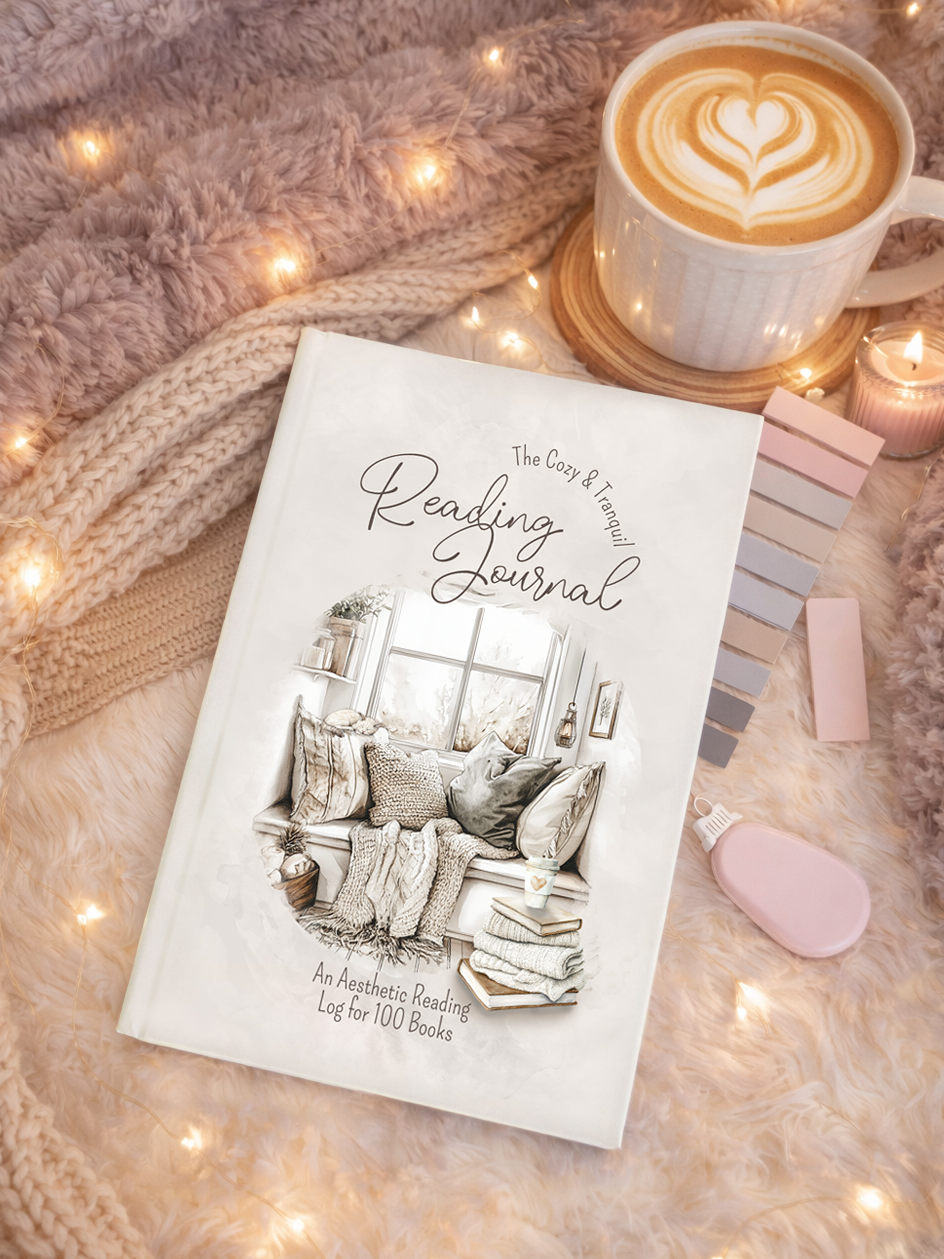
Track your own reading journey ✦
Discover Tynga Publishing Reading Journals


.jpg "Devoted Reviewer's Arc Journal review spread")